Introduction
Every great IoT product — from smart home assistants to industrial tracking systems — begins as a simple prototype on a developer’s desk. Many ideas never progress past this stage because of uncertainty around scaling, cost, and technical feasibility. At SoloSpark Technology, we bridge this gap by helping innovators transform working prototypes into commercial-grade, mass-deployable products.
This article explores the end-to-end life cycle of IoT product development, from concept to production.
The Importance of Prototyping
Prototyping is the proof of possibility. Using development platforms like Arduino and Raspberry Pi, engineers can test ideas quickly and cost‑effectively.
Benefits of prototyping:
- Rapid validation: Test if an idea works before investing heavily.
- Low cost: Minimal setup with off‑the‑shelf boards and sensors.
- Stakeholder buy-in: Early demos help attract funding or approvals.
- User feedback: Real users can interact with the early version.
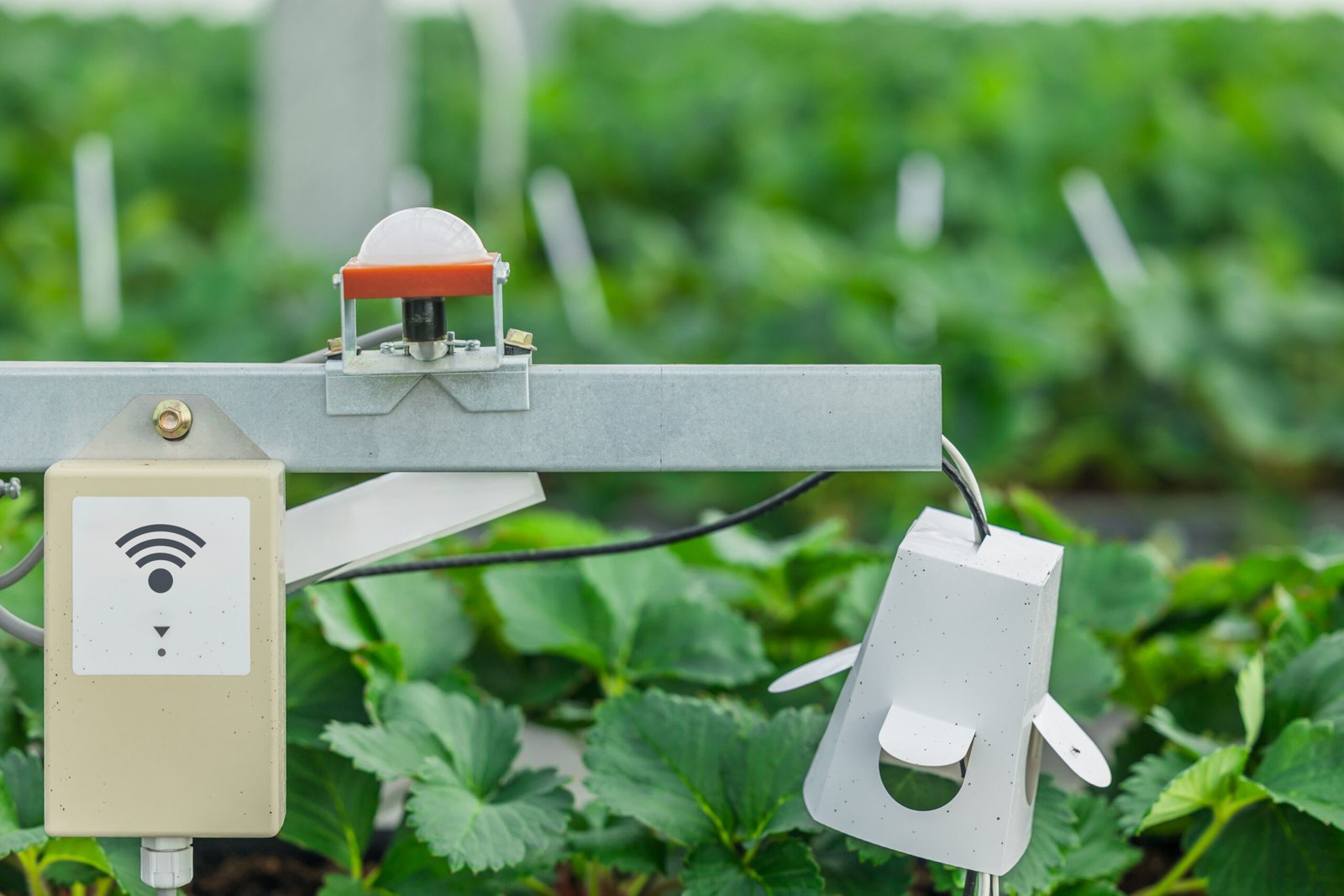
 Example: A startup in smart farming might begin with a Raspberry Pi and soil sensors to monitor moisture levels before upgrading to custom PCBs in production.
Transitioning to Custom Hardware
While prototyping boards are excellent for MVPs, they’re not suited for mass production. Scaling requires custom hardware engineering.
Key steps include:
- PCB Design & Layout – Consolidating circuits into a compact, reliable board.
- Component Selection – Choosing sensors, processors, and modules that balance cost with performance.
- Power Optimization – Ensuring energy efficiency, especially for battery-powered IoT devices.
- Regulatory Standards – Designing for certifications like FCC, CE, or RoHS.
Firmware Development & OTA Capabilities
Firmware is the brain of an IoT device. Custom firmware enables efficiency and reliability while supporting OTA (Over-the-Air) updates.
- Real-time OS (RTOS): For mission‑critical tasks, RTOS ensures precise timing.
- OTA updates: Devices stay secure and upgraded without manual recalls.
- Security-first coding: Protects against vulnerabilities that could compromise connected fleets.
Cloud Integration & Data Management
IoT devices generate data that must be collected, processed, and acted upon. Cloud integration is the backbone of scalability.
- Data pipelines: Collecting sensor data securely.
- Time-series databases: Handling millions of data points efficiently.
- Dashboards & APIs: Providing visibility to end users.
- Edge pre-processing: Filtering redundant data locally before cloud upload.
Scaling to Production
Here’s where the business side takes center stage. Going from a functional prototype to full production involves:
- Supply Chain Management – Partnering with manufacturers for PCB assembly and casing.
- Quality Assurance (QA/QC): Stress-testing prototypes under real-world conditions.
- Pilot Deployments: Testing small batches in intended environments before scaling.
- Cost Analysis: Optimizing bill of materials (BOM) at production scale.
Challenges Along the Way
IoT product scaling isn’t without obstacles:
- Security threats (botnets, data leaks).
- Interoperability issues (devices working across diverse ecosystems).
- Changing standards (5G, LoRaWAN, Matter).
- Reliability under load (devices in industrial heat, dust, or harsh weather).
At SoloSpark, we anticipate these challenges by designing future-proof, secure, and modular solutions.
Case Study Snapshot
A logistics company wanted to monitor delivery vehicles.
- Prototype: Raspberry Pi + GPS + GSM modem in 5 vehicles.
- Production: Custom PCB with optimized power, rugged casing, integration into a cloud dashboard.
- Benefit: Real-time fleet tracking and predictive maintenance alerts.
This shows how a prototype grows into a scaled solution delivering business impact.
Prototypes spark innovation, but true impact comes when IoT ideas scale into real-world products. At SoloSpark Technology, we guide businesses through every stage: concept → prototype → production → support. Whether you’re a startup or an enterprise, our engineering, AI automation, web app, and training expertise ensure your device isn’t just built — it thrives.
Ready to transform your IoT prototype into a production-ready product? Contact SoloSpark for a consultation today.